What is a logline and how do you build one?
A logline is a short statement that conveys the essence of a story and its main dramatic conflict in one sentence, without going into detail.
A logline gives a general idea of the story and helps the reader imagine the film. But important surprises should not be revealed, and of course nothing should be said about the ending. Not only the ending — nothing about Act III should be revealed either. (Exceptions are always possible. Sometimes a logline lets us infer the moral choice the protagonist may face at the end.)
How did the term “Logline” originate?
The word “Logline” was formed from two English words: “log,” meaning a record or register, and “line,” meaning a line of text.
In the second half of the last century, screenplays sent to production companies were entered into a log as a single sentence. Producers used that sentence to decide whether or not to read the screenplay. That is how the term “Logline” emerged. Literally, “Logline” is close in meaning to “an entry in a log.”
Important characteristics of a logline.
A good logline should have 5 important characteristics:
- It should be short. The information the reader needs should be expressed in the fewest possible words, with no unnecessary wording.
- It should be clear. It should be easy to understand and should not raise additional questions. A logline should not be too mysterious, too difficult or too simple.
- It should be universal. The character or situation should be familiar to the audience.
- It should have emotional appeal. Emotional appeal is the emotional response we have toward a person or situation.
- The development of the plot should be visible. A person reading the logline should be able to visualize the story. Seeing the development of the plot helps identify the audience and also allows the producer to estimate the budget, at least approximately.
Let’s look at an example.
Example 1: Speed (1994)
Screenwriter: Graham Yost
A stubborn police officer must save the people trapped on a city bus rigged with a bomb that will explode if the bus slows below 80 km/h.

Important characteristics:
- It is expressed with the minimum number of words. No unnecessary words are used.
- It is easy to understand. A bomb has been planted on a city bus, and if the bus drops below 80 km/h, it will explode. A stubborn police officer must save the people on that bus.
- It is universal. All of us have ridden a bus at least once, so we can imagine ourselves there.
- People being in mortal danger affects us emotionally. The fact that we cannot remain indifferent to what is happening creates emotional appeal.
- The development of the plot can be anticipated. A city bus moving at high speed. There may be a sharp turn, a traffic jam, a missing section of road, the bus may run out of fuel, and so on. We can already see the obstacles and become interested in how the protagonist will overcome them. It also gives the producer at least a rough idea of the budget.
Elements in the logline:
- Protagonist and description — a stubborn police officer.
- Goal — save the people.
- Obstacle — the bus must keep moving at 80 km/h.
- Stakes — the lives of the people.
- Inciting incident — learning that there is a bomb on the bus. (It is not stated in this logline, but we know that it happened.)
- Dramatic question — can the police officer save the people?
- Genre — action.
- Antagonist — undefined. The logline makes it clear that someone planted the bomb, but gives us no information about that person.
Note: saving people from a city bus traveling at 80 km/h is almost impossible. For that reason, the writer gave the protagonist an advantage — a skill, strength or trait that can help him reach his goal: stubbornness.
Note 2: any character trait can be used both as an advantage and as a weakness.
What is the purpose of a logline?
First, let me note that a logline is written for two purposes.
The first is written by the screenwriter for themselves. Before starting the screenplay, the screenwriter puts the story they intend to write into one sentence. This sentence acts as a beacon during the writing process, showing how the story should develop and in which direction it should move. It is through this logline that the screenwriter can keep the development of the story under control. Naturally, the logline may change and improve during the process of writing the screenplay.
The second is written by the screenwriter to present to a producer or director. This logline is formed after the screenplay has been written and represents it as a whole. The purpose of this logline — and of a logline in general — is to get the producer, director or any other reader, such as a screenplay agent or potential client, to read the screenplay.
To achieve that, the logline needs the important characteristics of a logline mentioned above, as well as elements that will interest the reader and make them want to read the screenplay.
Elements in a logline.
In the loglines I have read and analyzed, I encountered many things connected to plot and character that form the basis of dramaturgy. I thought for a long time about what to call all of them collectively and decided simply to call them elements.
I compiled this list based on the elements I encountered in the loglines I analyzed.
Elements in a logline:
- Protagonist.
- Description of the protagonist — an expression showing their profession, ability, status or characteristic: an expression that gives us an idea of who they are.
- The protagonist’s flaw (moral and psychological). This is connected to metamorphosis. (It belongs to the protagonist’s description.)
- Goal.
- What the protagonist needs in order to overcome their flaw. (It may not be stated; it may be understood from context.)
- Conflict (external and internal).
- Antagonist. (Depending on genre and narration, the antagonist may not appear in the logline.)
- Description of the antagonist — an expression showing their profession, ability or power, status, or characteristic: an expression that gives us an idea of who they are.
- The antagonist’s flaw (moral and psychological).
- Conflict created by the adjectives describing the protagonist and antagonist. For example, a mischievous student — an impatient teacher.
- Mentor and description.
- Ally and description.
- Theme.
- Irony — subtle mockery created when expressions are used contrary to their literal meanings. In other words, irony created by combining two opposing things.
- Inciting incident. (Also called the catalyst, call to adventure, call of fate, and so on.)
- Stakes — what the protagonist will lose if they fail to reach the goal.
- Problem. (It should not be stated directly; it should be understood from context.)
- First turning point. (In a logline this may sometimes also be treated as an unexpected change, or twist.)
- Point of no return.
- Central turning point.
- Second focus point (death point. These “points” may not necessarily be the same.)
- Obstacle.
- Mystery.
- Hook. This is a general concept — something needed to hold the audience’s attention. “Obstacle,” “Mystery,” “Danger,” and “New Information (Reveal)” together form the “Hook.” Some writers also include “Dramatic Irony” under the “Hook.”
- Urgency effect (ticking clock).
- Moral choice. (It may appear as a dilemma or be understood from context.)
- Location (if important).
- Time (if important).
- The world of the film (setting). It can be stated directly or understood from context.
- Target audience. (It should be understood from context.)
- Genre. (It may be understood from context or stated directly. For example: “The film is a mystical thriller.”)
- Main dramatic question.
- High Concept.
The purpose of including these elements in a logline is to make the listener or reader ask, “What happens next?” And, of course, if they want to know what happens next, they will have to read the screenplay.
Naturally, there is no need to include all of these elements in a logline.
The elements that are essential in a logline are:
- Protagonist and description.
- Inciting incident.
- Goal.
- Stakes — what will be lost.
- Antagonist and description.
- Obstacle or conflict.
- Irony.
- Dramatic question.
- Genre.
Let’s look at several successful examples.
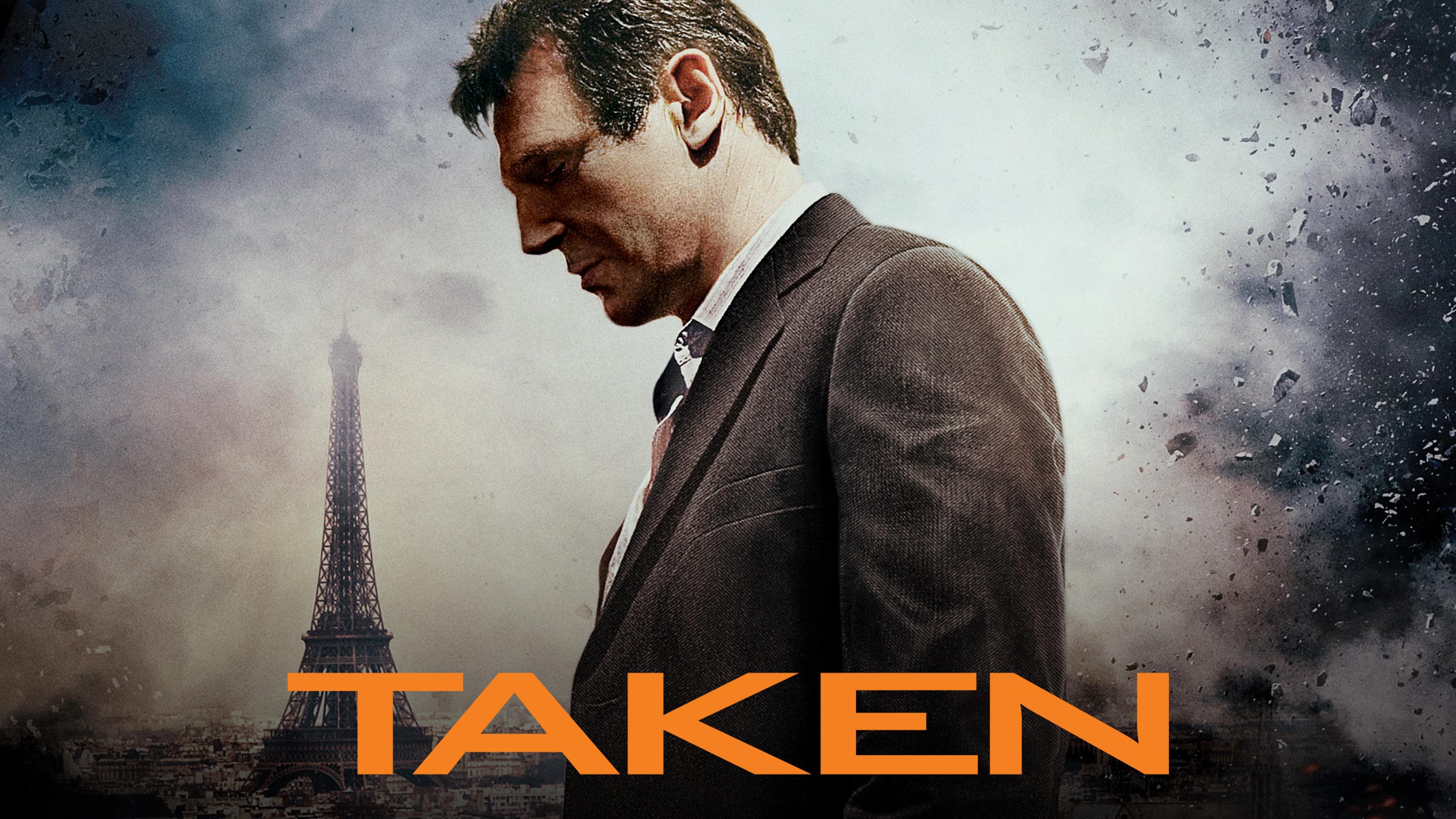
Example 2: Taken (2008)
Screenwriters: Luc Besson & Robert Mark Kamen
A retired CIA agent must find his daughter within 96 hours after she is kidnapped while traveling in Paris, or he will never see her again.
Elements in the logline:
- Protagonist and description — a retired CIA agent.
- Inciting incident — his daughter is kidnapped.
- Goal — save his daughter.
- Obstacle — lack of information: he does not know who kidnapped her.
- Antagonist — not presented specifically, but we know they exist.
- Stakes — his daughter’s life.
- Urgency — 96 hours.
- Location — Paris. (Paris is included in the logline so the reader understands that the protagonist will be operating far from home — from some city in the United States — in a place with different rules and without familiar support.)
- Irony — the daughter of a CIA agent is kidnapped.
- Dramatic question — can the man save his daughter?
- Genre — action.
Note: being a “CIA agent” is the protagonist’s “advantage.”
Note 2: in rescue-oriented films, the inciting incident, goal and stakes are connected. The inciting incident creates the goal and itself becomes the stakes.
Let’s look at another example.
Example 3: Home Alone (1990)
Screenwriter: John Hughes
An eight-year-old mischievous boy, accidentally left home alone by his family when they travel to Paris for Christmas vacation, decides to defend his house from a pair of burglars.

Elements in the logline:
- Protagonist and description — an eight-year-old mischievous boy.
- Problem — his family forgets him and leaves him home alone.
- Inciting incident — the burglars decide to rob the house.
- Goal — protect his home from the burglars.
- Obstacle — he is a child and defenseless.
- Antagonist — two burglars.
- Stakes — the house. (Of course, the greater stakes are the child’s life.)
- Time — Christmas. (Paris is included in the logline because returning home from Paris — to some city in the United States — during Christmas would take considerable time.)
- Irony — the parents forget their child at home; a child who needs protection becomes the protector of the house.
- Dramatic question — can the child protect his home from the burglars?
- Genre — comedy, family.
Note: the trait “mischievous” is presented in the film as both a flaw and an advantage. All the family members see the child’s mischievousness as a flaw, while in his fight against the burglars it becomes an advantage.
Let’s look at another example. This time, let’s use a local film.
Example 4: Qırmızı bağ (2016)
Screenwriter: Mirbala Səlimli
A teacher who does not believe in the afterlife and takes pride in his lineage wants to reunite with his beloved wife, who is already in the afterlife and who, while alive, acted as a mother to an orphaned child.

Elements in the logline:
- Protagonist and description — a teacher who does not believe in the afterlife and takes pride in his lineage.
- Problem — his wife’s death.
- Goal — reunite with his wife.
- Obstacle — his disbelief and character flaw. (The description of his wife — “acted as a mother to an orphaned child” — suggests that she would be in heaven in the afterlife. The protagonist, because of his disbelief and character flaw, cannot claim the same.)
- Antagonist — himself. (The only person preventing him from reaching his goal is himself.)
- Irony — a person who does not believe in the afterlife wants to reunite with his wife who is there; a man who takes pride in his lineage wants to live in the afterlife with a woman who acted as a mother to an orphaned child.
- Dramatic question — can the man reunite with his wife?
- Genre — philosophical drama.
Note: the fact that he “loves his wife very much” cannot be the inciting incident. The protagonist’s internal motivation is to find peace.
Note 2: there is no inciting incident in the film. Of course, this can be debated. The man constantly thinks about his wife and visits her grave. But we should remember that she died several years earlier. During that time, the man tried to live without her. Now, however, he no longer wants this life without her.
Let’s look at this logline in an expanded format. This kind of expanded logline can only be used during a pitch.
Logline 2: The film is about a teacher who wants to reunite with his deceased wife but does not believe in the afterlife. Before setting out for the afterlife in search of the wife he deeply loves, who acted as a mother to an orphaned child while she was alive, the teacher, who takes pride in his lineage, must come to believe that such a life exists and understand that he needs to value what he has before losing the orphaned child who has the ability to help reunite him with his wife.
In addition to the elements listed above:
- Ally — the orphaned child.
- The ally’s advantage — the ability to help the protagonist reach his goal.
- Irony — a man who takes pride in his lineage must become a father to an orphaned child; the teacher must understand (learn).
- Realization 1 — before setting out for the afterlife, the teacher must believe that it exists.
- Realization 2 — he must understand that he needs to value what he has. (The protagonist’s transformation is visible here. He changes from someone who takes pride in his lineage into someone who values what he has — the orphaned child.)
- Second focus point (death point) — the possibility of losing the orphaned child.
- Turning point — the protagonist sets out for the afterlife (commits suicide).
- Theme — value.
Note: “the protagonist setting out for the afterlife” indicates movement toward the central turning point in the film. In the logline, however, this expression marks the transition into Act II — in other words, the first turning point.
In fact, include enough information in your logline for your story to be fully understood and for no questions to remain. You can use this kind of logline to give a producer more detailed information about the story.
What should a logline look like if a film has more than one main character, or if the protagonist is presented as a group?
The protagonist is the central character of the story and a tool the writer uses to communicate their idea to the audience. The writer speaks through the protagonist.
Depending on the idea the writer wants to communicate, there may be one protagonist, two protagonists, or a group.
Except in unusual cases, in films with several protagonists, one of them almost always comes slightly to the foreground. In other words, every story ultimately becomes the story of one protagonist.
Even so, in films like these, a logline can be presented in either form.
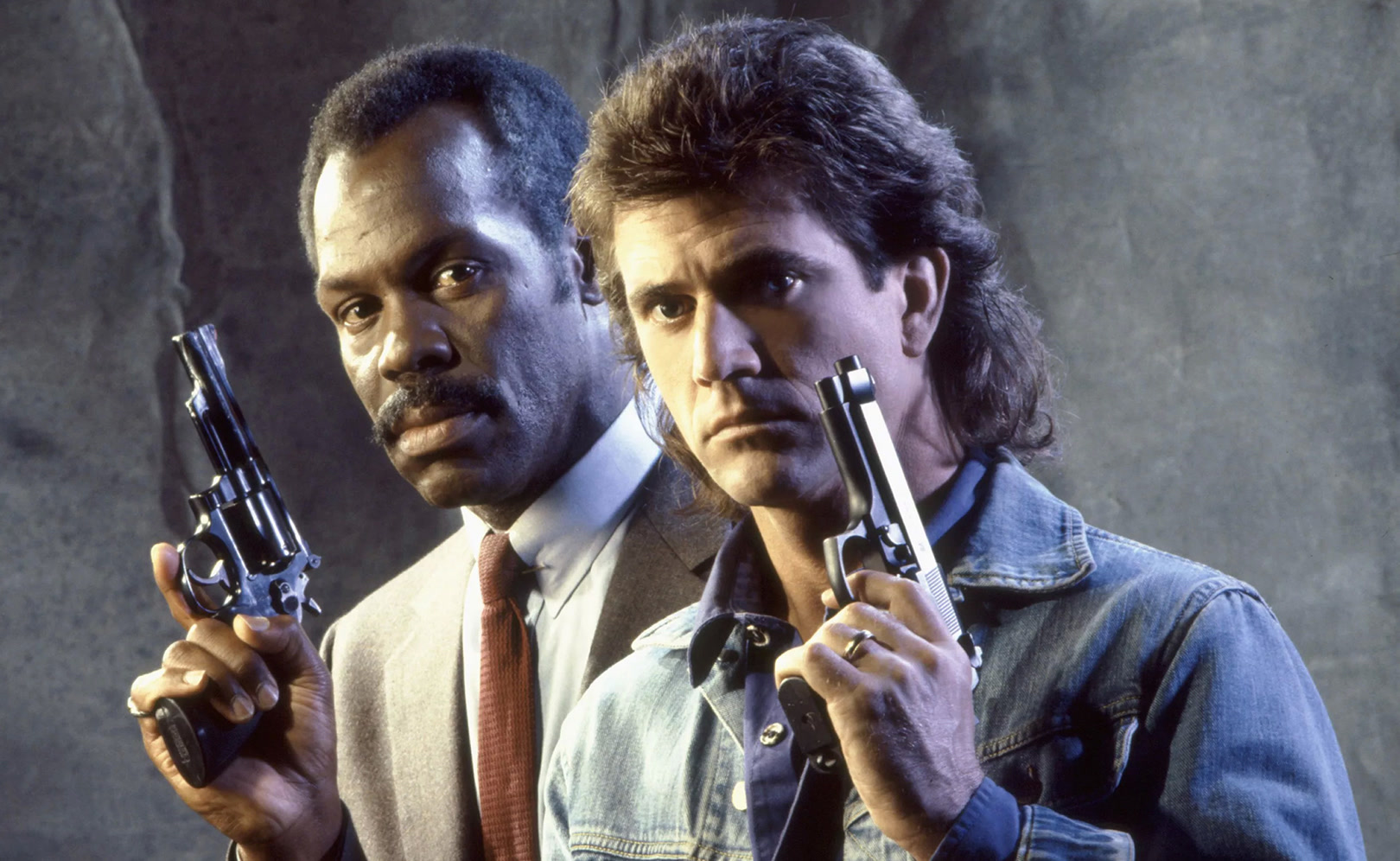
Example 5: Lethal Weapon (1987)
Screenwriter: Shane Black
Version 1 (IMDb): Two newly partnered police officers who are complete opposites must put their differences aside to catch a gang of smugglers.
Version 2. An older, composed police officer investigates a murder disguised as a suicide together with his new young and reckless partner, who became suicidal after his wife’s death.
Elements in the logline (Version 2):
- Protagonist and description — an older, composed police officer.
- Problem — a suicide.
- Inciting incident — learning that the suicide was staged. (In fact, a murder occurred.)
- Goal — solve the murder.
- Ally and description — a young, reckless police officer with suicidal tendencies.
- Obstacle — the differences between the partners.
- Antagonist — not presented, but we know that someone committed the murder.
- Conflict created by the adjectives describing the protagonist and ally — older and composed & young and reckless.
- Irony — people who are opposites working together; a suicidal police officer investigating a suicide case.
- Dramatic question — can the police officer solve the murder?
- Genre — detective, action.
Although both loglines are acceptable, the important characteristics of a logline should not be forgotten. Two different people working together is not enough, by itself, for the audience to understand the story.
Myths about loglines
There are several myths about loglines. Let’s look at them.
Myth 1: a logline must contain no more than 25 words and must never exceed that limit.
This is simply a myth. You can be certain that nobody can claim their logline was rejected because it had 27 or 28 words.
No producer counts the words in a logline they receive just to see how many there are.
The purpose of the word limit is simply to ensure that no unnecessary words are used in the logline. And 25 words are enough to present an idea and interest the reader.
Let’s look at a logline with more than 25 words.
Example 6: Pirates of the Caribbean: The Curse of the Black Pearl (2003)
Screenwriters: Ted Elliott, Terry Rossio, Stuart Beattie, Jay Wolpert.
Original: Blacksmith Will Turner teams up with eccentric pirate "Captain" Jack Sparrow to save his love, the governor's daughter, from Jack's former pirate allies, who are now undead. (27 words)
Blacksmith Will Turner teams up with eccentric pirate “Captain” Jack Sparrow to save his love, the governor’s daughter, from Jack’s former pirate allies, who are now undead.

Elements in the logline:
- Protagonist and description — blacksmith Will Turner.
- Goal — save his love.
- Inciting incident — his love is captured by pirates.
- Stakes — his love’s life.
- Description of his love — the governor’s daughter.
- Ally 1 — Jack.
- Description of ally 1 — eccentric (abnormal, strange behavior and actions); pirate; “Captain”; nicknamed “Sparrow.” (“Sparrow” presents Jack as someone who, when he sees danger, is ready to turn and run.)
- Ally 2 and description — the governor. (This is also his description.)
- Antagonist and description — undead pirates. (In fact, “undead” does not mean immortal: they have died but remain alive and will not die again.)
- Conflict — Will Turner vs. the pirates; Jack vs. the governor; Jack vs. the pirates. (The last one comes from the question: “Why former allies?”)
- Irony — a mortal man against the undead; a pirate trying to save the governor’s daughter; a pirate “captain.”
- Dramatic question — can Will Turner save his love?
- Genre — action, adventure, fantasy.
Although the logline uses more than 25 words, none of them are unnecessary.
Note: normally, character names are not used in a logline. But in this logline, Jack’s name is used twice and Will Turner’s name once. Why? Because without Jack’s name, the title “Captain,” the nickname “Sparrow,” and the reference to former pirate allies would create confusion. Making the logline clear would require additional words, which would make it longer than it is now.
Will Turner’s full name is used precisely because he is the protagonist. If the logline said only “the blacksmith,” the protagonist could be overshadowed by Jack, whose name appears twice, and the reader could lose track of whose story this is.
Myth 2: a logline should not tell the plot; it should sell it.
There is a great deal of debate around this idea. Perhaps calling it a myth is not entirely right. Naturally, this reflects my own approach, and you may disagree.
The purpose of a logline is not to sell the story. Of course, if someone has sold a screenplay through a logline, that is great. But it does not change the purpose of the logline. The purpose of a logline is to get a potential client, producer, director and so on to read the screenplay.
Selling the story is the job of High Concept. It is possible that someone has sold a screenplay through a logline without the screenplay even being read, although that is almost impossible. Even if it has happened, that logline contained a High Concept, perhaps without the writer even realizing it. High Concept is an original idea with commercial potential. Although High Concept can be created separately and presented separately, it is very often contained within the logline and is readable from its context.
Finally, let’s express the structure of a logline:
A protagonist with a character flaw that prevents them from reaching their goal is forced to react to a life-changing inciting incident — caused by an opponent or by chance — and, in reacting, overcomes their flaw with the help of an ally and either reaches or fails to reach their goal.
Practice
Now let’s technically build a logline.
Although the screenplay has not been written, we are going to build a logline that we could present to a producer. In any case, because there is no story yet, this logline will serve only as a beacon for us. But even when writing a logline that serves as a beacon, the story should come alive and the screenwriter should be able to see it, at least approximately. Of course, once the screenplay is written, the logline will definitely change.
Example 1.
You can begin building a logline from anything — from the protagonist’s moral flaw to their secret. But it is better to start either with the inciting incident or with the protagonist and goal. The protagonist is not created first and then given a goal. The protagonist is born together with the goal.
I suggest making this a rescue-oriented logline, because then the stakes will appear automatically.
Test 1: Someone wants to save someone.
The goal automatically creates the stakes. If they cannot save that person, they will lose them.
Let’s say a grandfather wants to save his grandchild.
Test 2: A grandfather wants to save his grandchild.
From what? From whom does he want to save the child?
Let’s define the genre as drama and say that the grandchild is seriously ill. The grandfather wants to save the child from death. This automatically creates emotional appeal.
Test 3: A grandfather wants to save his seriously ill grandchild from death.
Is the illness untreatable? Let’s say there is a treatment, but the doctors refuse to provide it.
Test 4: A grandfather tries to save his seriously ill grandchild from death after doctors refuse to treat the child.
Why would doctors refuse to treat a sick child?
Let’s say the story takes place in North Korea — starting from the world of the film — and the grandfather is an opponent of the government, so the doctors refuse to treat his grandchild.
Test 5: In North Korea, an elderly man who opposes the government decides to save his grandchild after doctors refuse to provide treatment.
But why has this person who opposes the government not been executed? Let’s say that when he was young, the grandfather was friends with the current president’s father and once saved his life. Later, he refused to remain silent in the face of injustice and became an opponent of the government. Because the former president owed him his life, he did not have him killed; instead, he exiled him to a remote village.
The grandfather lives as a recluse in a remote village with his only granddaughter. She is his only descendant. Nobody sells anything to them, nobody buys anything from them, nobody talks to them, and nobody even says hello. Medical assistance is out of the question. (Even if we are not writing the screenplay, we need to know the rules of the film’s world in order to write the logline. We brainstorm and create the man’s past, current situation and the world of the film.)
Test 6: In North Korea, an elderly man exiled to a remote village for opposing the government decides to treat his only seriously ill granddaughter himself after doctors refuse to treat her.
Saving a seriously ill person without a doctor seems impossible. So let’s give the protagonist an “advantage” that can make the goal possible. First, let’s think about who this old man is. What is his profession?
Let’s say the girl is going to die. The man is not a doctor, so he cannot cure her. But perhaps he can somehow discover the secret of immortality — I am looking for an alternative solution. The person who could discover it would probably be an excellent chemist. He mixes different elements and produces unusual compounds. That means he might also discover an elixir of immortality. (I am working backward from the ending to find the advantage I need.)
Let’s say the man is a chemistry professor, a Nobel Prize winner with phenomenal knowledge. He cannot cure the girl, but he can discover the secret of immortality. Then the final version of the logline would be:
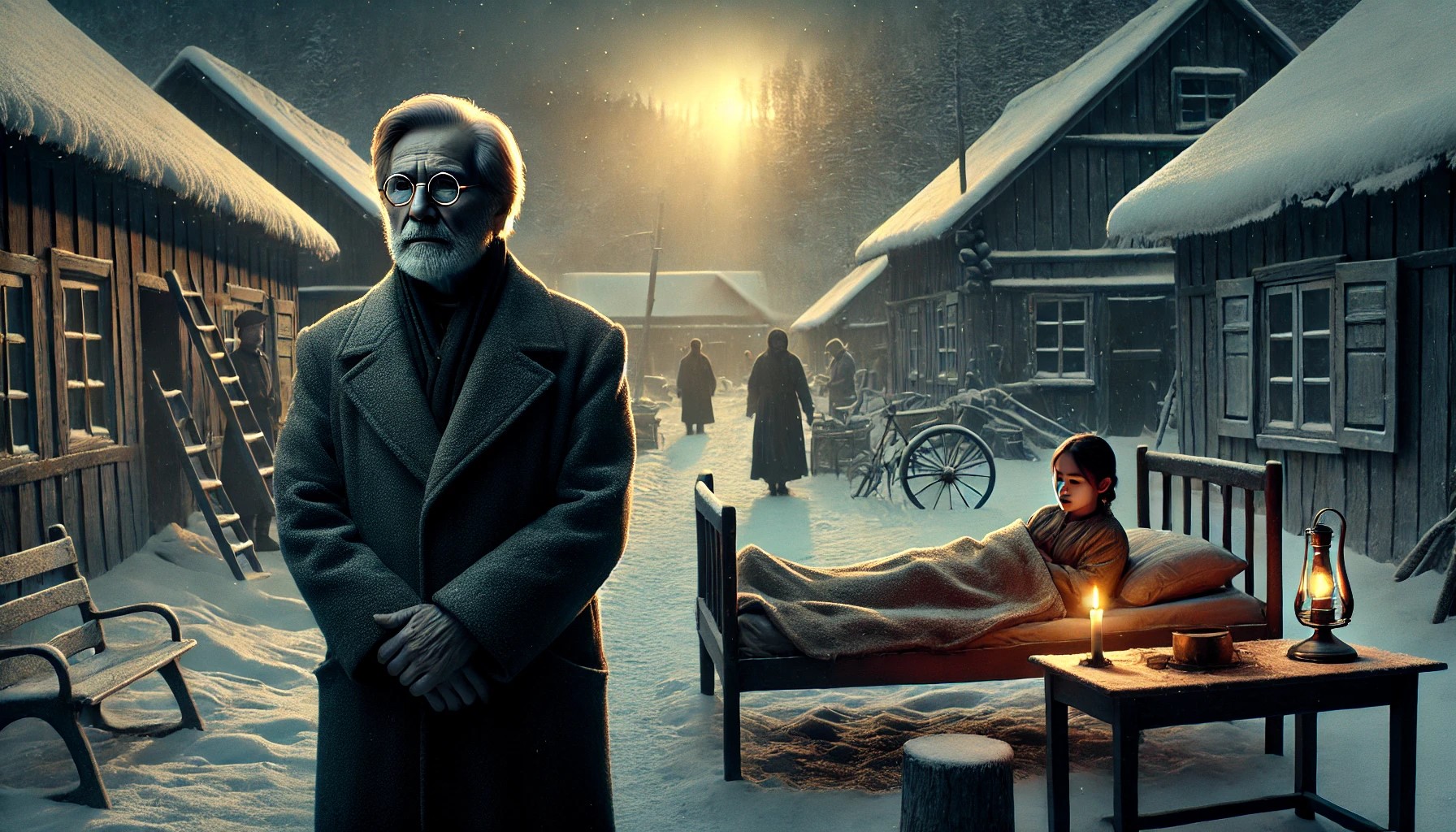
Logline (Example 1): In North Korea, an elderly Nobel Prize-winning chemistry professor exiled to a remote village for opposing the government decides to discover the secret of immortality in order to save his only seriously ill granddaughter from death after doctors refuse to treat her.
Elements in the logline:
- Protagonist and description (profession) — a Nobel Prize-winning chemistry professor who opposes the government.
- Goal — save his granddaughter.
- Inciting incident — the doctors refuse to treat his granddaughter.
- Stakes — the life of his only granddaughter.
- Obstacle — achieving something impossible: immortality.
- Antagonist — the doctors. (In fact, the “location” shows that not only the doctors, but the entire country is against him.)
- Location — North Korea. (This also defines the world of the film and its rules and laws.)
- Irony — a mortal person searches for the secret of immortality.
- Dramatic question — can the grandfather save his granddaughter from death?
- Moral choice — what choice will the grandfather make?
- Genre — drama.
Note: in addition to the dramatic question, another question is visible in the logline: what choice will the grandfather make? This is the moral choice. A moral choice means choosing between two value systems.
The grandfather will most likely discover the secret of immortality and then face a dilemma. If he uses this knowledge to save the girl, government representatives will undoubtedly learn about it, remain in power forever and permanently oppress the nation. The grandfather will therefore be forced to choose between two values: the life of his only granddaughter — the last member of his lineage — and the well-being of his nation.
Example 2
Let’s build one more logline. This time, let’s choose a different genre: horror-thriller.
We will keep the same kind of goal. Again, it will be a rescue goal: someone wants to save someone.
Test 1: A mother wants to save her daughter.
From whom, or from what, does the mother want to save her daughter?
Since the genre is horror-thriller, let’s think of something that can convey the feeling of the genre.
Let’s say the girl has been sentenced to death in a dream. (During brainstorming, I choose an option that would not happen under normal circumstances.)
Test 2: A mother wants to save her daughter, who has been sentenced to death in a dream.
Why was the girl sentenced to death? Who sentenced her? What does “in a dream” mean?
Let’s think a little and consider what might have happened before this point.
Let’s say the woman keeps her only 14–15-year-old daughter isolated from society and other people. She has experienced so much lying, betrayal and trauma herself that she does not want her daughter to live the same kind of life. At least not until she reaches adulthood.
The girl has no friends or acquaintances. But she is eager to communicate and is constantly looking for ways to connect with others.
One day, the girl finds a book about the dream world. A person can enter that world and create a world there made up of dead people. They can add dead people to the world they create in the dream, become friends with them and live there together. It is like a social network populated by people who have died. A living person can connect to this network only while dreaming. In other words, you see it in a dream. But that world has very strict rules of its own...
Then one day the girl breaks the rules of the dream world. She is arrested in the dream and sentenced to execution.
Test 3: A mother wants to save her daughter, who has been sentenced to death in a dream for breaking the rules of the world of the dead.
Where does all this happen?
Let’s say what happens to the girl begins after they come to a certain house. Let it be a village house. And they did not come there by accident. The woman’s mother used to live there and died recently, under mysterious circumstances. And the book the girl found, “Dream — as a Key to Other Worlds,” belonged to her grandmother. (Through brainstorming, I determine where the events take place and find how the girl ended up in this situation.)
Test 4: After moving to a village house following her mother’s mysterious death, a woman wants to save her daughter, who has been sentenced to death in a dream for breaking the rules of the world of the dead.
According to American screenwriter and producer Rob Tobin, author of “How to Write High Structure, High Concept Movies,” a logline needs the following:
- Protagonist.
- Flaw.
- Opponent (antagonist).
- Life-changing event (inciting incident).
- Ally.
- Struggle.
- Help from the ally.
According to Tobin, alongside the protagonist, their flaw and the opponent, an ally must also be present in the logline.
Who could the ally be?
Someone who has been to the other world and can give the woman information about the astral world. Let’s say a former drug addict.
Test 5: After moving to a village house following her mother’s mysterious death, a woman turns to a former drug addict to save her daughter, who has been sentenced to death in a dream for breaking the rules of the world of the dead.
But who is the protagonist? What does the woman do for a living?
First, let me say that irony is very important to a plot. (I am moving backward from the goal.) What does the protagonist want? She wants to save her child. Whose attempt to save their own child could create irony? Someone who kills other people’s children. But our film is not about crime. So how could killing children be regulated by law? Is there such a job, such a profession? Yes: a gynecologist specializing in abortions.
Test 6: After moving to a village house following her mother’s mysterious death, a gynecologist who specializes in abortions turns to a former drug addict to save her daughter, who has been sentenced to death in a dream for breaking the rules of the world of the dead.
What remains is the protagonist’s flaw and the opponent.
For the flaw, let’s make her selfish — someone who thinks only of herself and is capable of sacrificing anyone else for her own interests.
Note: a flaw cannot be selected randomly or approximately. A flaw develops as a “false belief” because of trauma or events in the past. However, a screenwriter can also approach it technically by giving the protagonist the opposite of the character trait needed to reach the goal. In any case, it must later be connected to the “false belief.” In our example, the second method is used. To save her daughter, the woman must sacrifice herself; the egoist must become an altruist.
For the opponent, we can choose anyone. They will later enter the story through mistakes connected to the woman’s profession anyway. Let the opponents be twin brothers.
Then the final version of the logline will be:
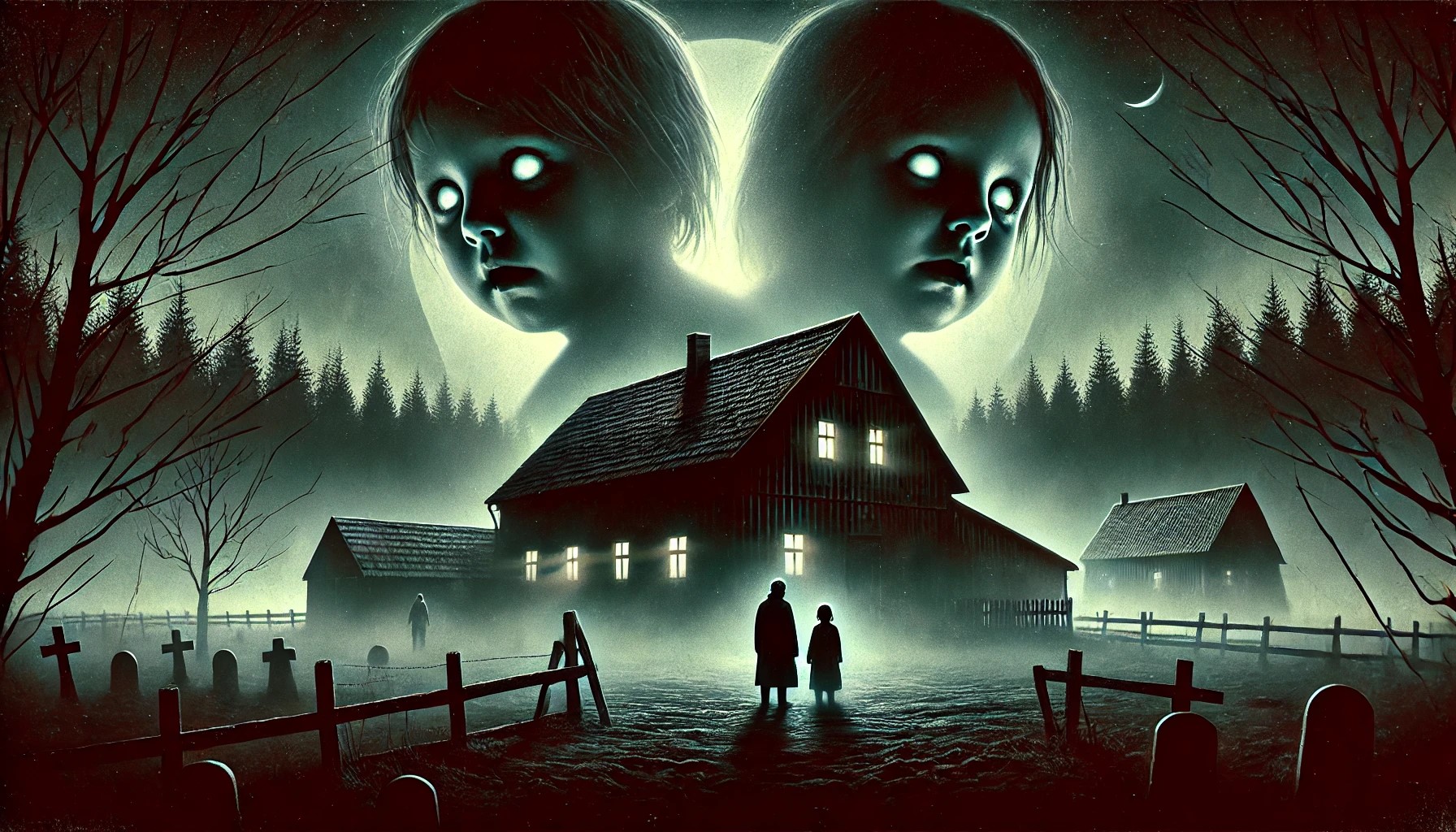
Logline (Example 2): After moving to a village house following her mother’s mysterious death, a selfish gynecologist specializing in abortions turns to a former drug addict to save her daughter, who has been sentenced to death in a dream by twin brothers for breaking the rules of the world of the dead.
Elements in the logline:
- Protagonist and description (profession) — a gynecologist specializing in abortions.
- Protagonist’s flaw — selfishness.
- Goal — save her daughter from death.
- Inciting incident — learning that her daughter has been sentenced to death in a dream.
- Stakes — her daughter’s life.
- Obstacle — the events take place in her daughter’s dream, meaning control is not in the protagonist’s hands.
- Mystery — her mother’s mysterious death and what is happening in her daughter’s dream.
- Antagonist and description — twin brothers.
- Location — a village house.
- Irony — a person who ends the lives of other people’s children wants to save her own child from death.
- Dramatic question — can the woman save her daughter?
- Genre — horror, thriller.
I hope these examples will help you a great deal when writing loglines. And finally...
What do you need to do to learn how to write loglines?
There are several stages to learning how to write loglines.
- Learn the elements that appear in a logline and the functions they perform in a story.
- Read many loglines and analyze them based on the elements they contain. It is a good idea to write them down in a notebook.
- Write loglines for well-known films you have watched many times. Pay attention to the important characteristics and essential elements of a logline. Then read the loglines for those films on IMDb and compare them with what you wrote.
- Read loglines that contain mistakes, are incomplete, or are not fully developed and try to fix them. If the logline is very weak and contains almost no information, take one or more of the elements it does contain — the protagonist, inciting incident and so on — and develop it by adding other elements. In doing so, of course, you will also think through the story and create one from scratch. You can find loglines that need improvement on the “Blacklist.”
The “Blacklist” is a list of the most highly regarded screenplays that, for one reason or another, were not put into production, based on surveys of studio executives and production companies. The “Blacklist” is compiled every December.
Finally, I recommend never forgetting the 5 important characteristics of a logline and the essential elements that belong in a logline.
Good loglines!!!